Visual Impairment is a condition in which a child has partial or complete vision loss, making it difficult to see clearly, recognize objects, read, and perform daily activities. Early diagnosis, vision assessments, vision therapy, assistive devices, specialized education, and family support can significantly improve visual functioning, learning, independence, and overall quality of life.
Visual Impairment is a condition in which a child has partial or complete vision loss that affects learning, mobility, communication, and daily activities. Early diagnosis, vision support devices, vision therapy, specialized education, and family involvement can greatly improve independence, confidence, and overall quality of life.
Children may experience partial or complete vision loss, making it difficult to recognize objects, faces, and their surroundings.
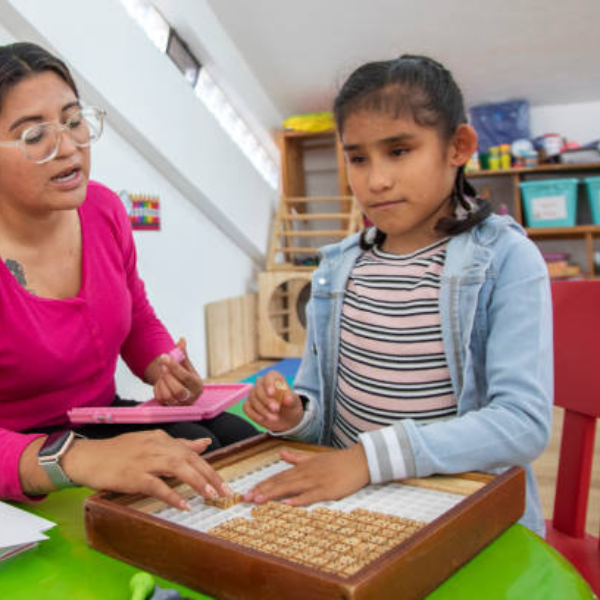
Vision loss can affect learning, reading, writing, and overall development, requiring specialized educational support.
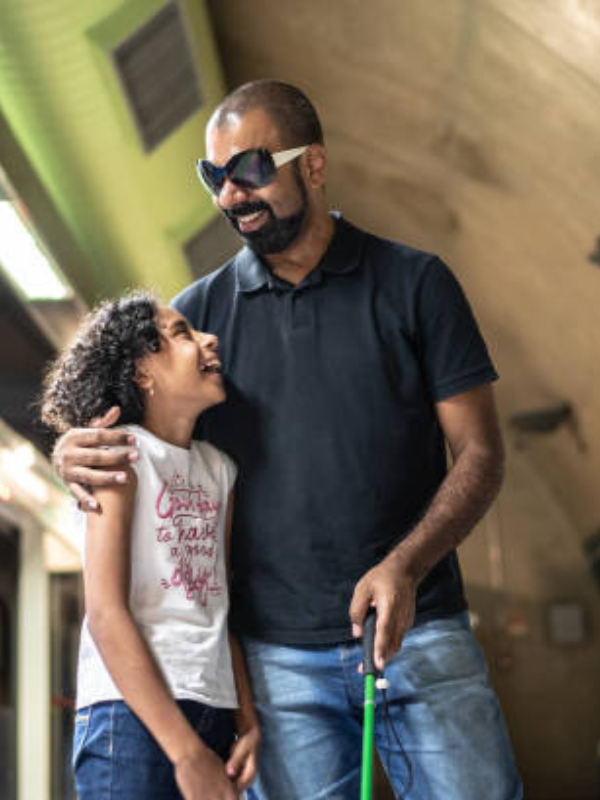
Children may need orientation, mobility training, and assistive devices to move safely and perform daily activities independently.
Early vision assessment, vision therapy, assistive devices, specialized education, and family support help children achieve better learning and independence.
Visual Impairment is a condition in which a child experiences partial or complete vision loss, affecting the ability to see clearly, recognize objects, read, and perform everyday activities. Vision loss may be present at birth or develop later due to illness, injury, or other medical conditions. With early diagnosis, comprehensive eye examinations, vision therapy, assistive devices, specialized education, and continuous family support, children can improve functional vision, learning, mobility, and independence while leading more confident and fulfilling lives.
Visual Impairment affects a child's ability to see clearly, recognize objects, read, and perform daily activities. Symptoms may vary depending on the severity of vision loss, but early diagnosis and intervention can greatly improve learning, mobility, and overall development.
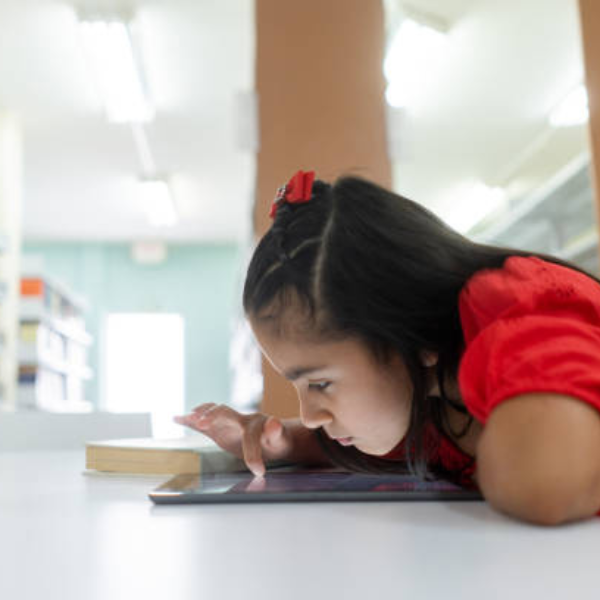
Children may have difficulty seeing objects, faces, or printed text clearly.
Vision problems may affect reading, writing, classroom learning, and completing school activities.
Some children may experience discomfort in bright light or have trouble adjusting between light and dark environments.
Children may bump into objects, struggle with balance, or have difficulty moving safely in unfamiliar places.
Squinting, rubbing the eyes, holding objects very close, or headaches may indicate vision problems.
Regular eye examinations, vision therapy, assistive devices, specialized education, and family support can significantly improve independence and quality of life.
Visual Impairment can result from genetic conditions, complications during pregnancy or birth, eye diseases, injuries, or neurological disorders. Early diagnosis, timely treatment, vision rehabilitation, and supportive therapies can significantly improve learning, independence, and overall quality of life.
Some children are born with inherited eye disorders or congenital conditions that affect vision development and visual function.
Premature birth, low birth weight, oxygen deprivation, or infections during pregnancy and delivery may increase the risk of vision impairment.
Eye infections, cataracts, glaucoma, retinal disorders, head injuries, or neurological conditions may reduce or damage vision.
Regular eye examinations, vision therapy, low vision aids, specialized education, and family support help children improve visual skills, independence, and long-term outcomes.
At Therapy Windows, our experienced specialists perform a comprehensive vision and functional assessment to evaluate your child's visual ability, eye health, learning needs, mobility, and daily living skills before creating a personalized therapy and rehabilitation plan.
Schedule an appointment with our eye care and rehabilitation specialists.
We evaluate visual acuity, eye health, functional vision, mobility, and learning needs through comprehensive vision assessments.
Our specialists prepare a detailed evaluation report identifying the level of vision impairment and recommending appropriate treatment and rehabilitation services.
A customized rehabilitation plan is created, including vision therapy, low vision aids, orientation and mobility training, specialized education, and family guidance.
Find answers to the most common questions about Visual Impairment, its causes, diagnosis, treatment options, and therapy services.