SPECIAL CHILD CONDITION

Mental Retardation

Mental Retardation, also known as Intellectual Disability, is a developmental condition that affects a person's intellectual functioning, learning ability, reasoning, communication, and daily living skills. Early diagnosis, individualized therapy, special education, speech therapy, occupational therapy, and continuous family support can help children develop independence, improve communication, and achieve their full potential in everyday life.

1000+

Therapists

25+

Cities

15K+

Families Supported
Mental Retardation Therapy

Mental Retardation At a Glance

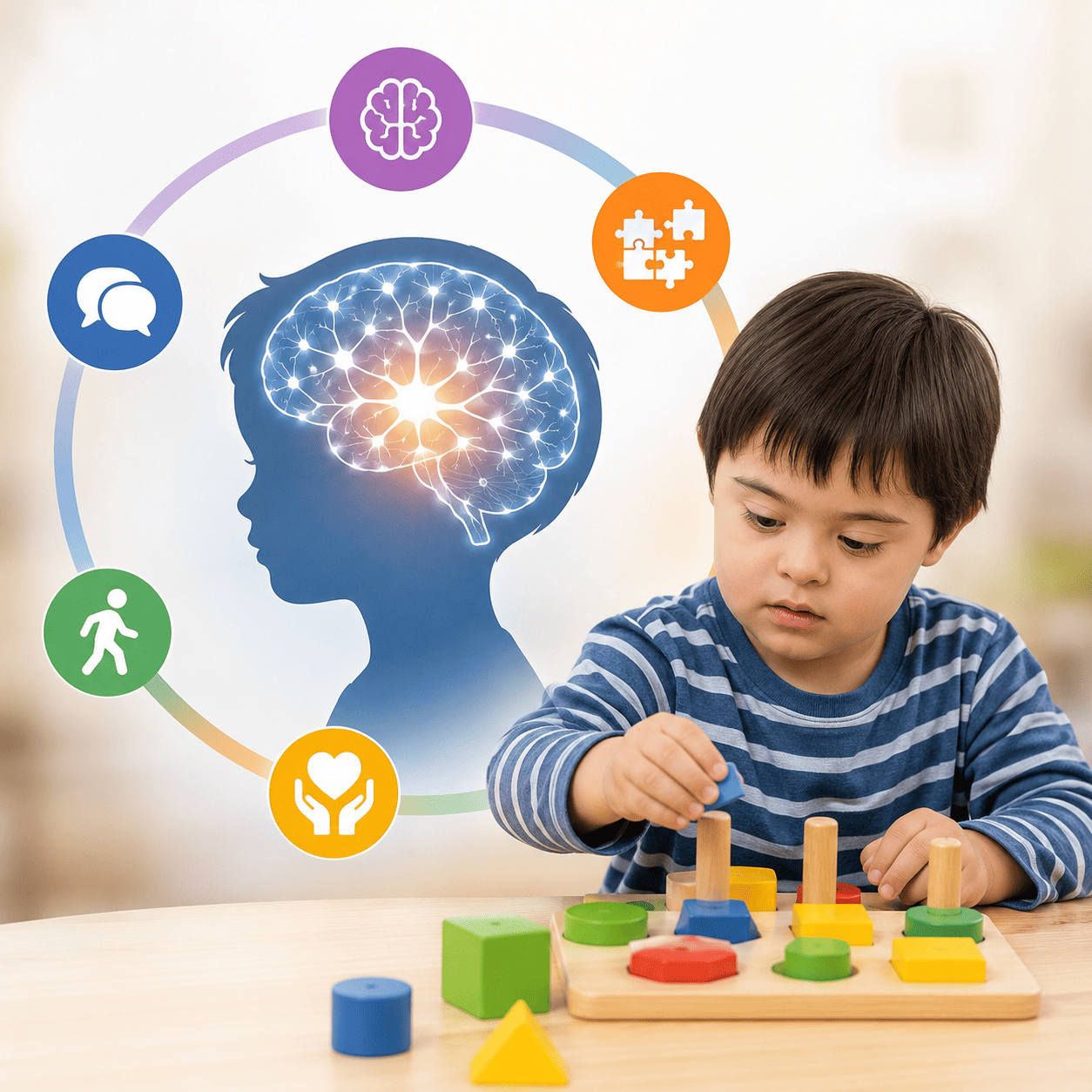
Mental Retardation, also known as Intellectual Disability, is a developmental condition that affects intellectual functioning, communication, learning ability, reasoning, and adaptive daily living skills. Early intervention and specialized therapies can significantly improve independence, confidence, and quality of life.

Intellectual Development

Children may experience challenges with learning, reasoning, problem-solving, and understanding new concepts.

Communication Skills

Speech and language development may be delayed, requiring structured communication support and therapy.

Daily Living Skills

Children may need guidance in developing self-care, social interaction, and independent daily living skills.

Early Intervention

Early therapy, family support, and special education help improve communication, independence, and overall development.

Mental Retardation Therapy

What is Mental Retardation?

Mental Retardation, now more commonly referred to as Intellectual Disability, is a developmental condition that affects intellectual functioning, reasoning, learning ability, communication, and adaptive behavior. Children with this condition may require additional support in education, daily living, and social skills. With early intervention, personalized therapy, and continuous family support, they can develop greater independence, confidence, and improve their overall quality of life.

Intellectual & Cognitive Development
Speech & Communication Therapy
Daily Living & Self-Care Skills
Social, Behavioral & Emotional Development
Mental Retardation Symptoms

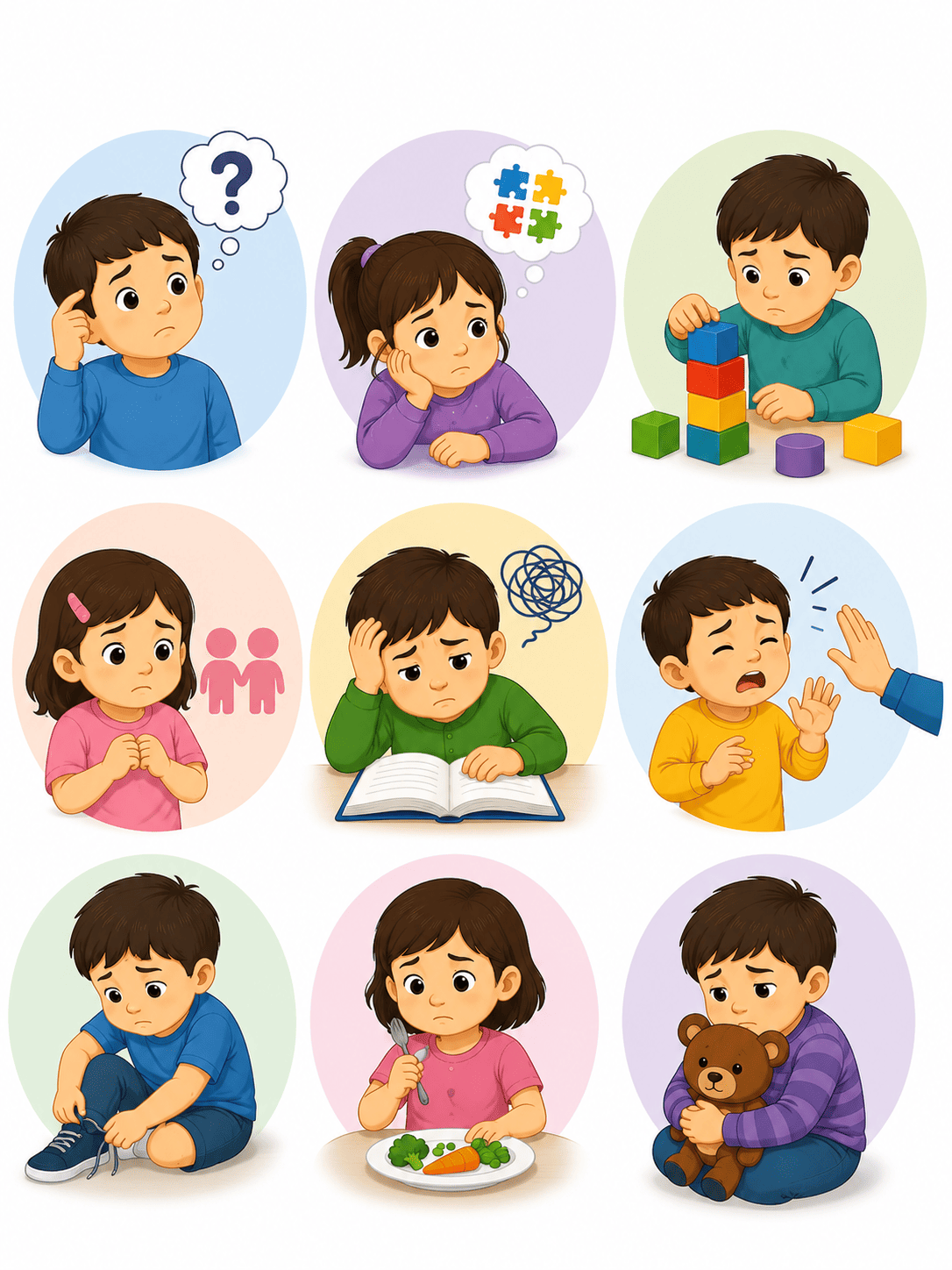
Signs & Symptoms of Mental Retardation

Mental Retardation, also known as Intellectual Disability, affects a child's intellectual functioning, communication, learning ability, and adaptive behavior. Every child is unique, and early intervention with therapy and family support can significantly improve development and independence.

Intellectual Delay

Difficulty understanding concepts, reasoning, problem-solving, and learning new skills.

Speech & Communication Delay

Speech and language development may be slower than expected for the child's age.

Learning Difficulties

Children may require additional educational support and individualized learning strategies.

Social Skills Challenges

Difficulty interacting with others, understanding social situations, and building relationships.

Daily Living Skills

Children may need support with self-care, personal hygiene, eating, dressing, and daily routines.

Need for Early Intervention

Speech therapy, occupational therapy, behavioral support, and special education improve long-term outcomes.

What Causes Mental Retardation?

Mental Retardation, also known as Intellectual Disability, can result from various genetic, prenatal, birth-related, or environmental factors. In many cases, the exact cause may not be identified, but early diagnosis and intervention can greatly improve a child's development and quality of life.

Genetic Conditions

Certain genetic disorders and inherited conditions may affect brain development, leading to intellectual disability.

Prenatal & Birth Complications

Poor prenatal care, premature birth, oxygen deprivation during delivery, or serious infections can increase the risk of developmental challenges.

Brain Injury or Illness

Brain injuries, severe infections, exposure to toxins, or neurological conditions during early childhood may affect intellectual development.

Early Intervention & Family Support

Although Intellectual Disability cannot always be prevented, early therapy, special education, and family support help children improve communication, independence, and daily living skills.

How We Diagnose Mental Retardation

At Therapy Windows, our experienced specialists conduct a comprehensive developmental assessment to evaluate your child's intellectual functioning, communication, adaptive behavior, learning abilities, and daily living skills before creating a personalized therapy and intervention plan.

01

Book Consultation

Schedule an appointment with our developmental and rehabilitation specialists.

02

Comprehensive Assessment

We assess intellectual abilities, communication, behavior, adaptive skills, social interaction, and developmental milestones.

03

Diagnostic Evaluation

Our specialists prepare a detailed evaluation report highlighting strengths, developmental challenges, and recommended therapy goals.

04

Personalized Therapy Plan

A customized therapy program is designed to improve communication, cognitive development, adaptive behavior, social skills, and independent daily living abilities.

Mental Retardation FAQs

Find answers to the most common questions about Mental Retardation (Intellectual Disability), its causes, diagnosis, treatment options, and therapy services.

Mental Retardation, now commonly referred to as Intellectual Disability, is a developmental condition that affects intellectual functioning, learning ability, communication, reasoning, and adaptive daily living skills.

Common signs include delayed speech, learning difficulties, slow cognitive development, poor problem-solving skills, challenges with social interaction, and difficulty performing age-appropriate daily activities.

Intellectual Disability cannot be cured, but early intervention, speech therapy, occupational therapy, behavioural therapy, special education, and family support can significantly improve development and independence.

Diagnosis includes developmental assessments, IQ testing, adaptive behaviour evaluations, medical history, and assessments by developmental specialists and psychologists.

Therapy Windows offers Speech Therapy, Occupational Therapy, Behaviour Therapy, Special Education, Physiotherapy, Parent Counselling, Cognitive Training, and Individualized Therapy Programs for children with Intellectual Disabilities.

Yes. With early diagnosis, individualized therapy, educational support, life skills training, and family involvement, many children develop greater independence, improve communication, and participate successfully in school, work, and community life.
Chat With Us